BGMEA DAILY DIGEST
News published in media related to RMG: Today’s RMG News
February 17, 2026
The Financial Express
RMG buyers eye GSP Plus as next growth driver
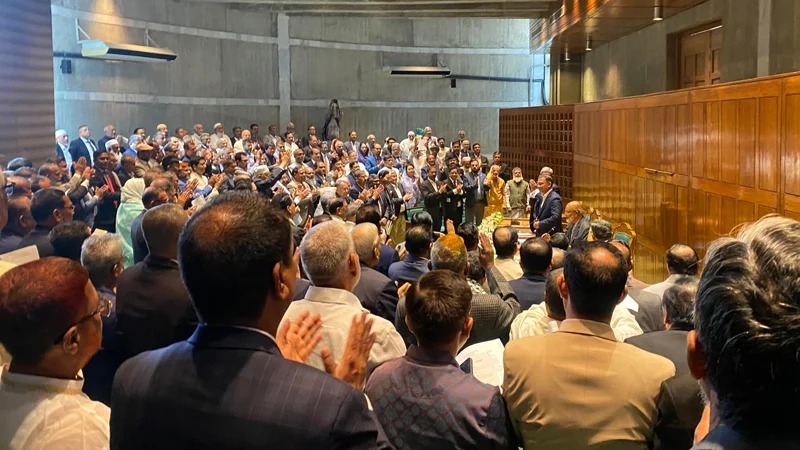
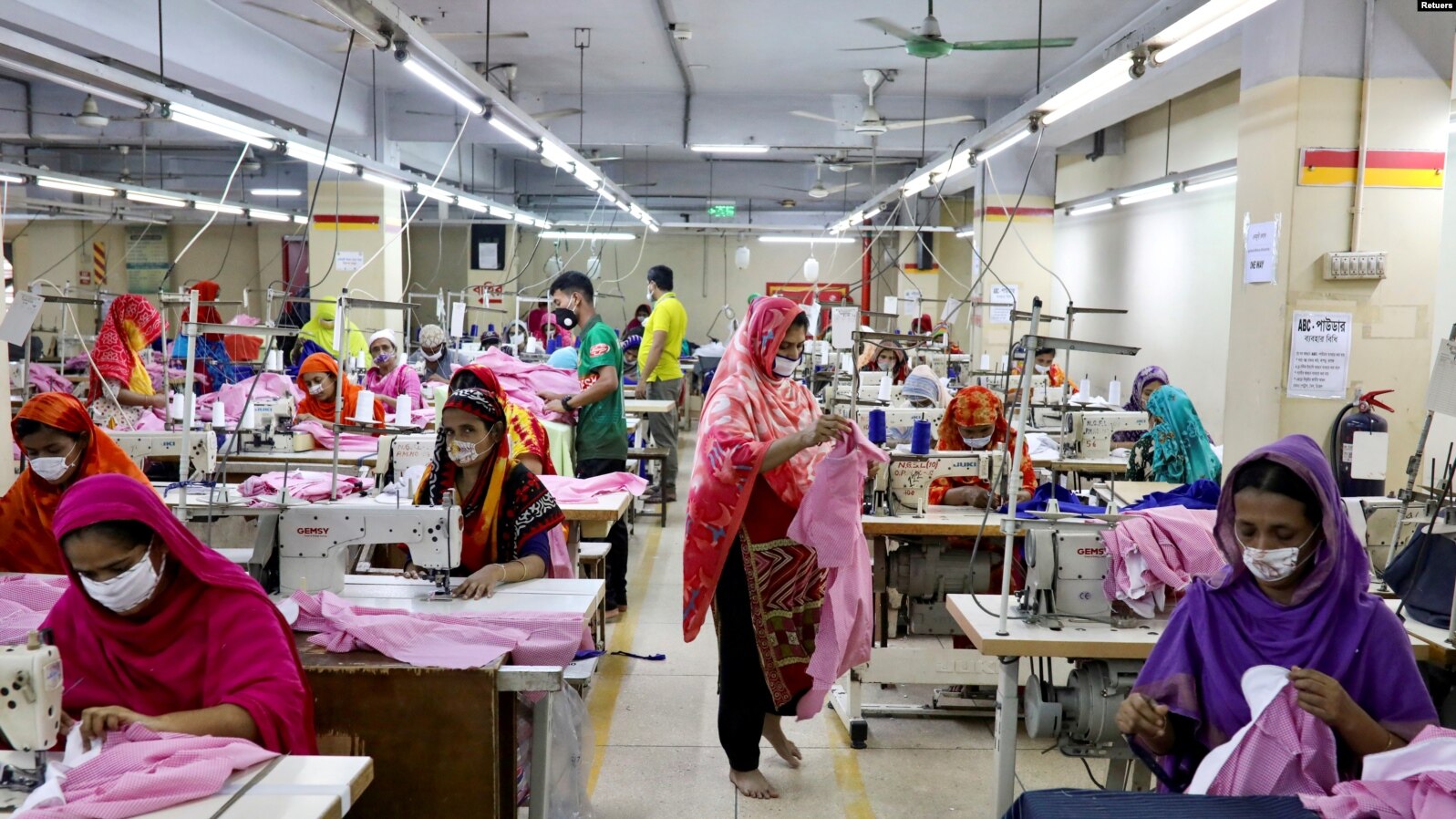
Shehabudduza Chowdhury, vice-president of the Bangladesh Garment Manufacturers and Exporters Association (BGMEA), says most buyers earlier indicated that they were looking for a democratic government and stable political conditions in Bangladesh. Some buyers also reduced orders due to fears of conflict surrounding the national elections. As a result, a number of factories have already slipped into financial trouble because of the lower volume of orders over the past one and a half years, he says. He hopes buyers will increase orders in the coming days as the election was held in a very peaceful manner.His personal expectation of the new government is that it will appoint qualified, non-political individuals to ministerial positions related to business facilitation.
The Daily Star
India’s US tariff parity: Real threat or overblown fear for Bangladesh?
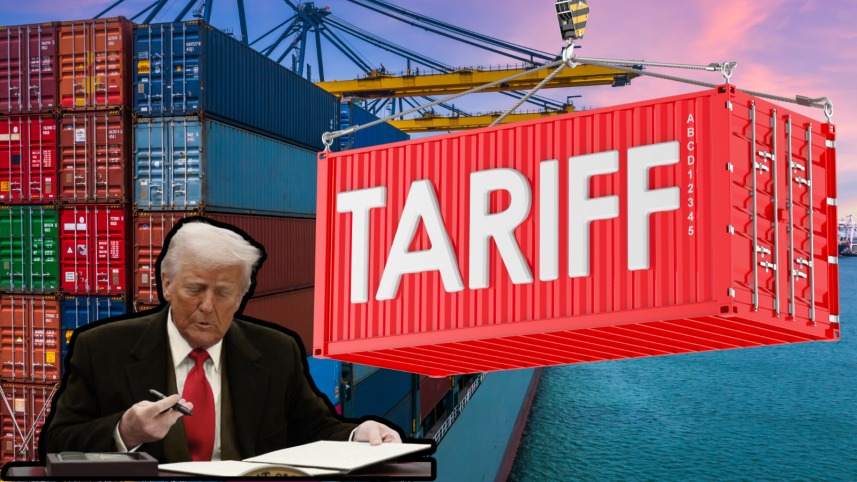
When Indian Commerce and Industry Minister Piyush Goyal announced on February 12 that India would receive the same concessional duty access on garment exports to the US as Bangladesh, alarm bells rang across Dhaka’s garment districts. The Donald Trump administration’s proposal to offer zero reciprocal tariffs on garments made from US cotton and man-made fibre, previously a distinctive advantage for Bangladesh, will now extend to India as well, according to The Times of India. Exporters fear the development might erode Bangladesh’s competitive edge in apparel shipments to the US to some extent. But experts paint a different picture. “Bangladesh may lose its competitiveness to some extent in the US markets if similar trade benefits are extended to Indian exporters,” said Anwar-ul-Alam Chowdhury (Parvez), former president of the Bangladesh Garment Manufacturers and Exporters Association (BGMEA).

The Daily Star
A narrow window for US cotton gains : Md Mohiuddin Rubel, Former director of the Bangladesh Garment Manufacturers and Exporters Association
After a roller coaster period since the reciprocal US tariff was announced in April last year, the cut from 20 percent to 19 percent is modest but offers some relief. Under the new deal, certain Bangladeshi RMG and textile products made with US cotton and man-made fibres can enter the US duty free, with volumes tied to Bangladesh’s purchases. Turning this window into real export gains will require careful planning.
The Dhaka Tribune
Tribune Editorial:The RMG sector needs help
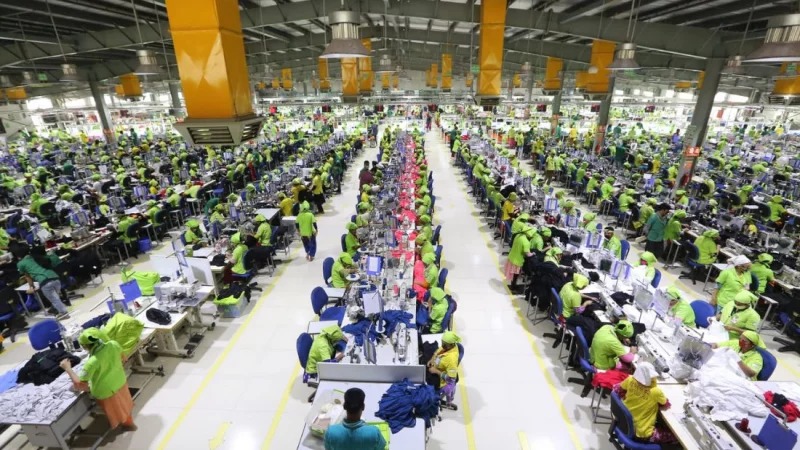
There is some reason to be optimistic about the RMG industry; in 2025, apparel exports to the European Union rose nearly 6% year-on-year, reaching €19.41 billion. This achievement should not be diminished and indeed underscores the industry’s ability to remain competitive despite numerous challenges that our nation has been facing. This increase is a testament to the hard work of millions of workers and entrepreneurs who despite all odds continue to anchor our economy.
The Daily Star
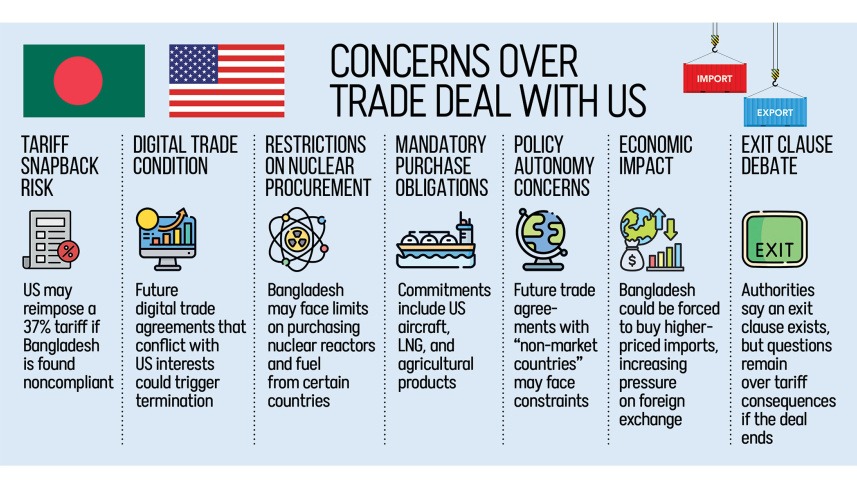
US trade deal overshadows Bangladesh’s economic freedom
The reciprocal trade deal signed by the interim government with the United States has raised questions regarding the economic sovereignty of Bangladesh, especially in decisions on trade, energy and security. Anwar-ul Alam Chowdhury (Parvez), president of the Bangladesh Chamber of Industries, said the agreement indicates that Bangladesh should reduce its dependence on China for raw materials. The deal also contains a provision on Rules of Origin. It says that if the benefits of the agreement accrue substantially to third countries or their nationals, either party may establish Rules of Origin to reflect the intention of the agreement.
বাংলা নিউজ২৪
দাম কমিয়ে ইউরোপের বাজার দখলের চেষ্টা চীনের, বিপাকে বাংলাদেশ
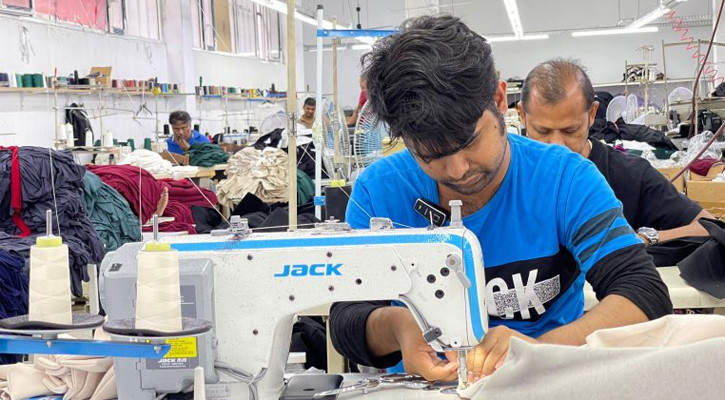
তৈরি পোশাক প্রস্তুত ও রপ্তানিকারক সমিতির (বিজেএমইএ) সাবেক পরিচালক মো. মহিউদ্দিন রুবেল বাংলানিউজকে বলেন, ‘আমরা অভিজ্ঞতা ও সামর্থ্য দিয়ে এখনো বাজার ধরে রেখেছি। কিন্তু পণ্যের দাম কমিয়ে রপ্তানি করা সম্ভব হবে না। স্বল্পোন্নত থেকে উন্নয়নশীল দেশে উত্তরণের পর শ্রমসহ নানা ইস্যুতে পরিস্থিতি আরও প্রতিকূল হবে। এজন্য লিড টাইম কমিয়ে আনার মাধ্যমে আরও সক্ষমতা বাড়ানোর প্রয়োজন।’ তিনি বলেন, ‘লিড টাইম বৃদ্ধির মূলে রয়েছে গ্যাস, বিদ্যুৎ, যোগাযোগ ও বন্দর সমস্যা। এ কারণে আমরা উচ্চ মূল্যের পোশাক তৈরি করতে স্বাচ্ছন্দ্য না। ক্রেতারা কার্যাদেশ দেওয়ার পর খুব অল্প সময়ের মধ্যে সরবারহ পেতে চায়। আমরা যা অধিকাংশ সময়েই পারি না। সাধারণ মানের পোশাক রপ্তানির ক্ষেত্রেই আমরা এ সমস্যার মুখোমুখি হচ্ছি। বেশি দামের পোশাকের ক্ষেত্রে সমস্যা আরও বাড়বে। সে জন্য আমাদের দরকার প্রস্তুতি।
বাংলাদেশ প্রতিদিন
গ্যাসের তীব্র সংকট, বন্ধ হচ্ছে অনেক শিল্প-কারখানা
দেশজুড়ে শিল্প খাতে গ্যাসসংকট তীব্র আকার ধারণ করেছে। এতে শিল্প-কারখানা, আবাসিক, পরিবহনসহ প্রায় সব খাতে বিপর্যয় দেখা দিয়েছে। বিশেষ করে টেক্সটাইল, গার্মেন্টস, সিরামিক, স্টিলসহ বিভিন্ন উৎপাদনমুখী শিল্পে কার্যক্রম মারাত্মকভাবে ব্যাহত হচ্ছে।শিল্পোদ্যোক্তাদের অভিযোগ, গ্যাস সরবরাহের ঘাটতির কারণে তাঁরা কারখানাগুলোয় পূর্ণ সক্ষমতায় উৎপাদন চালাতে পারছে না। এতে একদিকে যেমন উৎপাদন কমে যাচ্ছে, অন্যদিকে বিনিয়োগ, কর্মসংস্থান ও রপ্তানি আয় হুমকির মুখে পড়ছে। নির্ধারিত সময়ের মধ্যে বিদেশি ক্রেতাদের কাছে রপ্তানিপণ্য সরবরাহ করতে না পারায় অনেক প্রতিষ্ঠান চুক্তি বাস্তবায়নে ব্যর্থ হচ্ছে।পরিস্থিতির কারণে চাহিদা থাকা সত্ত্বেও অনেক শিল্পোদ্যোক্তা নতুন রপ্তানি কার্যাদেশ গ্রহণ বন্ধ বা কমিয়ে দিয়েছেন। ফলে দেশের সামগ্রিক রপ্তানি আয়েও নেতিবাচক প্রভাব পড়ছে।