BGMEA DAILY DIGEST
News published in media related to RMG: Today’s RMG News
March 31, 2026
প্রথম আলো
জ্বালানি–সংকটে ভুগছে শিল্পকারখানা, মধ্যপ্রাচ্যে যুদ্ধের প্রভাব
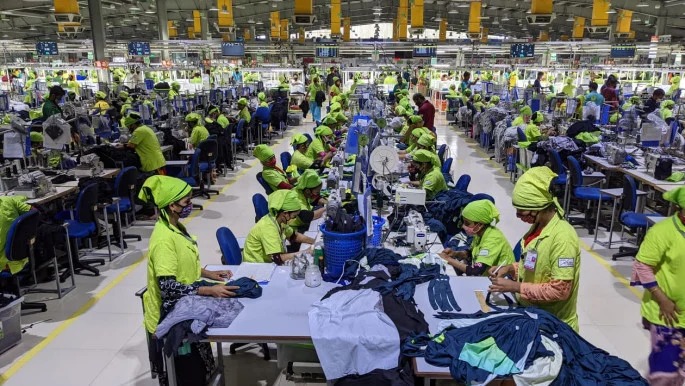
শিল্পকারখানার মালিকেরা বলছেন, ঈদের লম্বা ছুটির পর শিল্পকারখানা পুরোদমে খুলেছে। ফলে উৎপাদন ও পণ্য সরবরাহে তেলের চাহিদা বেড়েছে। দ্রুত তেল সরবরাহ পরিস্থিতি উন্নতি না হলে উৎপাদন ও পণ্য সরবরাহ ব্যবস্থা মারাত্মকভাবে বিঘ্নিত হতে পারে। তাই তেল সরবরাহের প্রকৃত পরিস্থিতি তুলে ধরে প্রয়োজনে রেশনিং ব্যবস্থা চালু করতে সরকারের প্রতি আহ্বান জানিয়েছেন তাঁরা। জানতে চাইলে বিজিএমইএর সভাপতি মাহমুদ হাসান খান প্রথম আলোকে বলেন, ‘পাম্প থেকে কোনো প্রতিষ্ঠান তেল পাচ্ছে, আবার কোনো প্রতিষ্ঠান পাচ্ছে না। ভবিষ্যতের প্রস্তুতি হিসেবে আমরা সদস্যদের কাছ থেকে তাদের চাহিদা আনুষ্ঠানিকভাবে সংগ্রহ করছি।’
The Business Standard
RMG exports could face 5% EU carbon tax after 2030, study warns
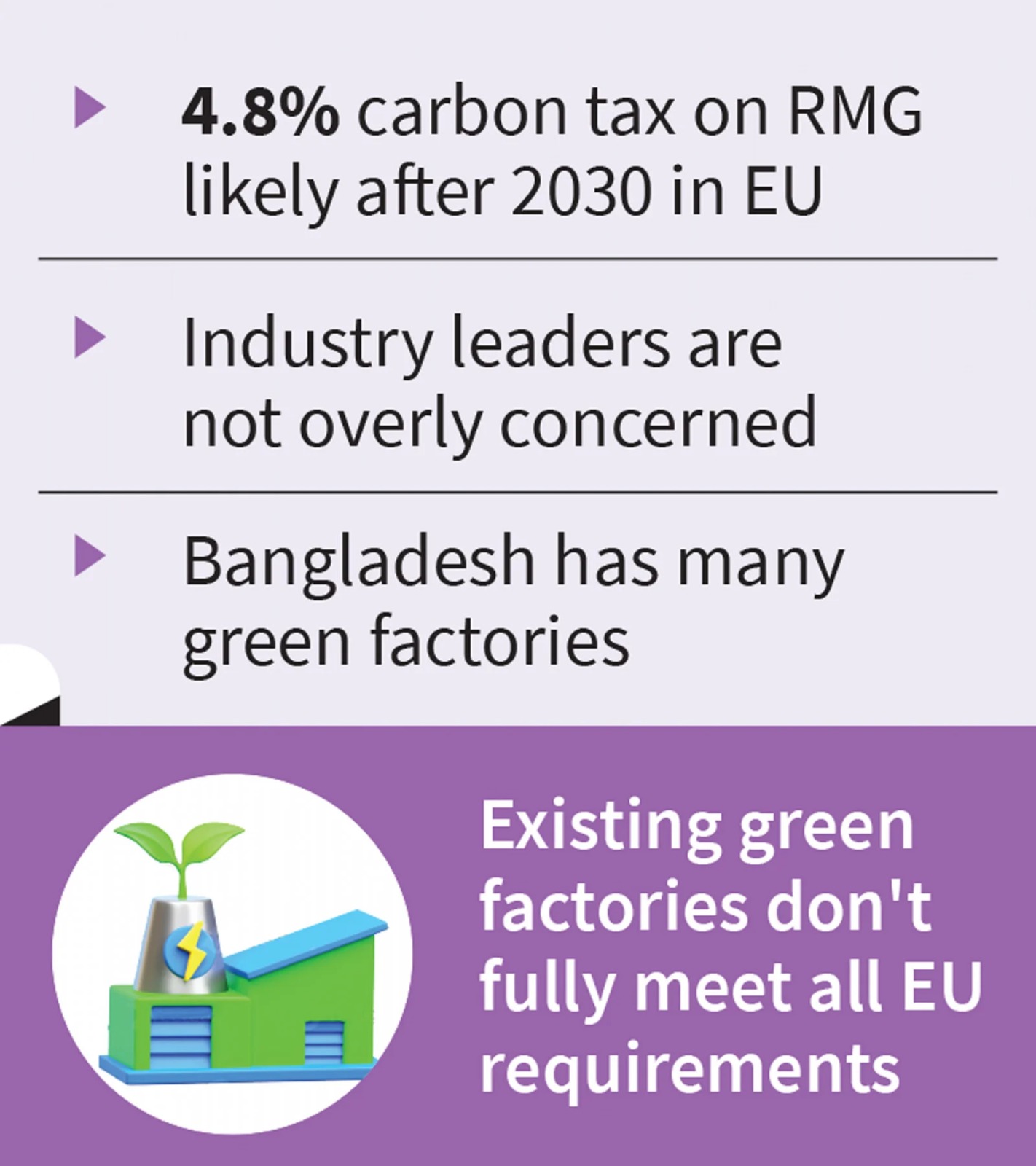
The European Union (EU), Bangladesh's largest export market, has introduced the Carbon Border Adjustment Mechanism (CBAM) to curb emissions across its supply chains. Apparel products could be brought under this mechanism by 2030. If current emission levels in Bangladesh's garment sector persist, an additional 4.8% carbon tax may be imposed on apparel exports after 2030, according to the study. Mahmud Hasan Khan Babu, president of the Bangladesh Garment Manufacturers and Exporters Association (BGMEA), told TBS, "We have already started preparing to use 30% renewable energy in line with EU requirements. Many of our factories have begun implementing green practices, including renewable energy." He added that smaller and medium-sized factories are also being supported to meet these requirements in collaboration with the government.
আমার দেশ
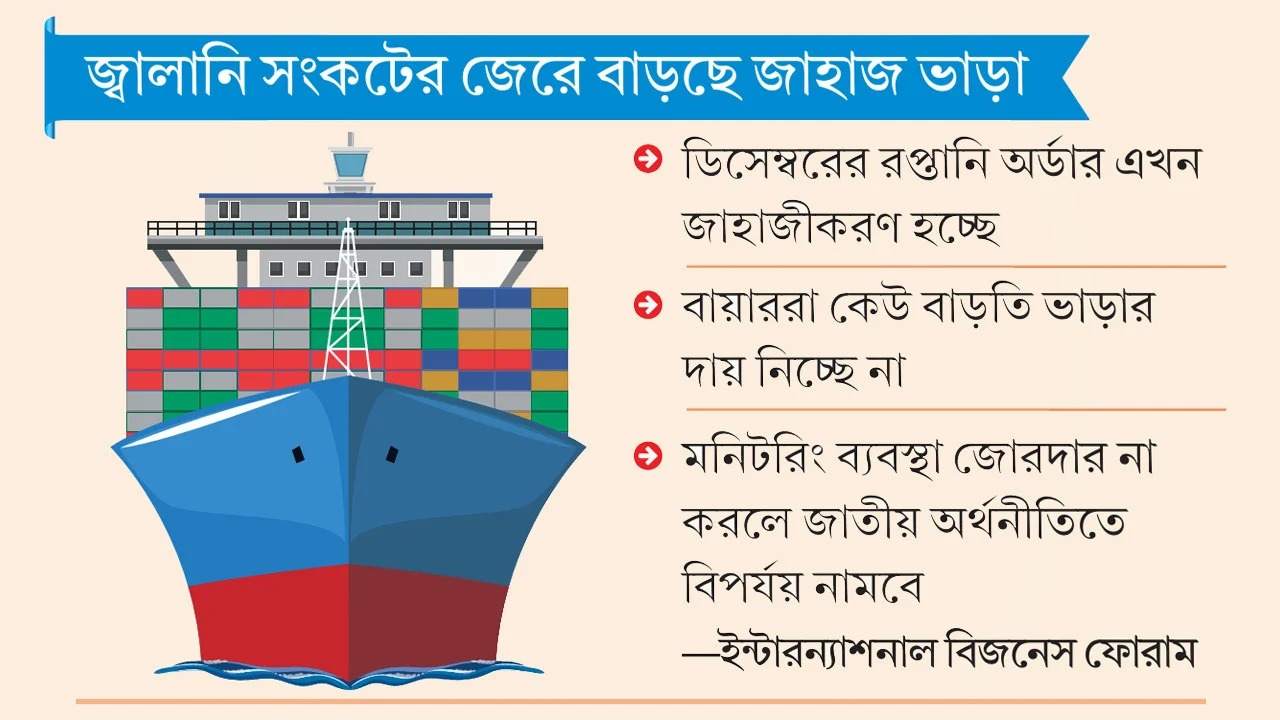
জ্বালানি সংকটের জেরে বাড়ছে জাহাজ ভাড়া : আমদানি-রপ্তানি বাণিজ্যে অশনিসংকেত
মধ্যপ্রাচ্যের যুদ্ধ পরিস্থিতি ও ভয়াবহ জ্বালানি সংকটের প্রভাবে আবারও অস্থির হয়ে উঠছে বৈশ্বিক সমুদ্র বাণিজ্য। এই প্রেক্ষাপটে নতুন করে জাহাজভাড়া বাড়ানোর প্রস্তুতি নিচ্ছে মেইন লাইন অপারেটররা, যা বাংলাদেশের আমদানি-রপ্তানি খরচে বড় ধরনের চাপ তৈরি করতে পারে। ইতোমধ্যে ইউরোপগামী কনটেইনার ভাড়া বেড়েছে উল্লেখযোগ্য হারে। আর মধ্যপ্রাচ্য রুটে সংযোগ প্রায় ভেঙে পড়েছে, যেখানে সীমিত আকারে চলাচলকারী জাহাজগুলো কয়েক গুণ বেশি ভাড়া আদায় করছে। এর মধ্যেই ১ এপ্রিল থেকে আবারও জাহাজভাড়া বৃদ্ধির আশঙ্কা তৈরি হওয়ায় ব্যবসায়ীরা পড়েছেন নতুন দুশ্চিন্তায়। বিশেষজ্ঞরা বলছেন, এর সরাসরি প্রভাব পড়তে পারে দেশের রপ্তানি খাত—বিশেষ করে তৈরি পোশাকশিল্পে।
কালের কন্ঠ
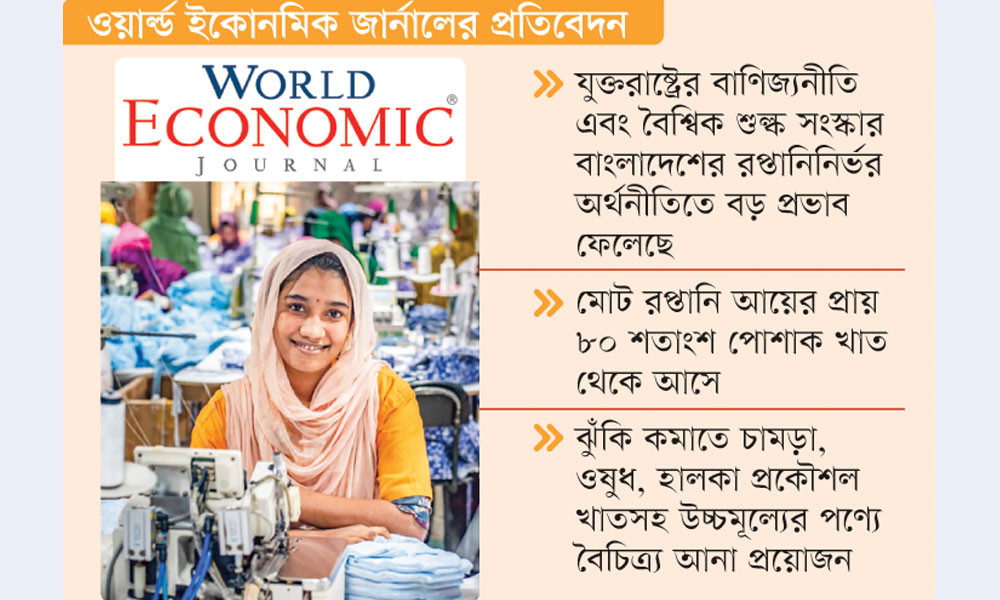
তৈরি পোশাক নির্ভরতায় ঝুঁকিতে পড়তে পারে দেশের রপ্তানি
বাংলাদেশ গত দুই দশকে উচ্চ রপ্তানি প্রবৃদ্ধি, বিপুল রেমিট্যান্স প্রবাহ এবং তরুণ কর্মশক্তির কারণে বিশ্বের অন্যতম দ্রুত বর্ধনশীল অর্থনীতিতে পরিণত হয়েছে। বর্তমান নীতির ধারাবাহিকতা থাকলে দেশটির অর্থনীতি মাঝারি মানের প্রবৃদ্ধি বজায় রাখতে পারবে। তবে অতিমাত্রায় তৈরি পোশাক নির্ভরতা পরিবর্তনশীল বিশ্বে বাংলাদেশের রপ্তানি খাতকে ঝুঁকিতে ফেলতে পারে। ওয়ার্ল্ড ইকোনমিক জার্নালের এক প্রতিবেদনে বাংলাদেশের অর্থনীতি নিয়ে এসব কথা বলা হয়েছে।

The Financial Express
Business leaders push for policy consistency, faster services
Over 50 per cent of Japanese companies expect profit growth and expansion in Bangladesh this year after the elections, according to a survey released on Monday. Business leaders from Bangladesh and Japan, however, stressed the need to remove barriers in line with the Economic Partnership Agreement (EPA) framework to unlock the full potential of bilateral trade and investment. They highlighted several challenges, including policy inconsistency, lack of coordination among government agencies, lengthy procedures, ineffective one-stop services, visa complications, and inadequate protection of intellectual property rights, adding that the EPA would open the door to expanded trade and investment. Speaking at the "Japan Business Day" event in Dhaka, Kazuiki Kataoka, country representative of Japan External Trade Organization (JETRO), described Bangladesh as