BGMEA DAILY DIGEST
News published in media related to RMG: Today’s RMG News
May 07, 2026
Textile Today
BGMEA, buyers discuss energy crisis, LDC graduation and labour law implementation
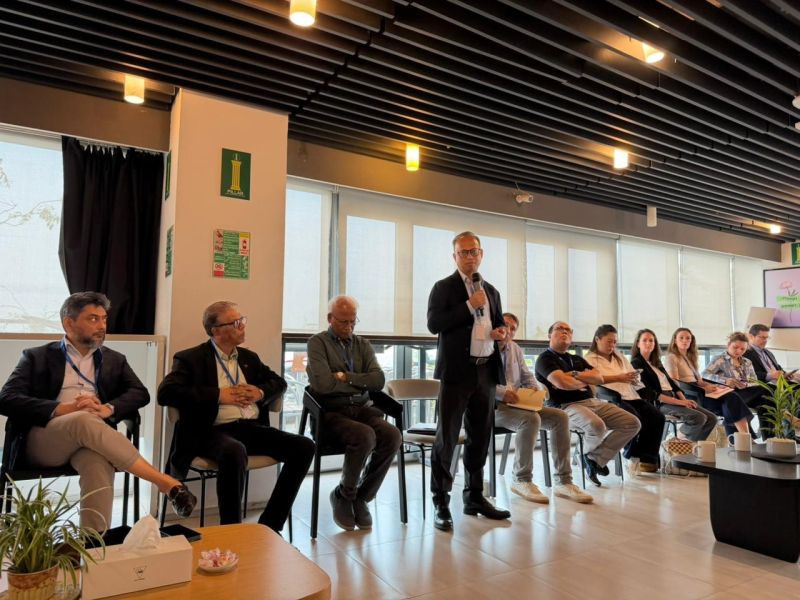
On 5th May, a Buyers Forum meeting was held between senior leadership of the Bangladesh Garment Manufacturers and Exporters Association (BGMEA) and buyer representatives at the H&M Bangladesh office to discuss key challenges facing the country’s apparel sector. The meeting focused on the prevailing energy crisis, Bangladesh’s upcoming graduation from least developed country status and its implications for GSP facilities, as well as the implementation of the newly gazetted Bangladesh Labour Law.The BGMEA delegation included Mahmud Hasan Khan, President, Inamul Haq Khan, Senior Vice President, Rezwan Salim, Vice President, Shah Rayeed Chowdhury, Director, Faisal Samad, Director, Nafis Ud Doula, Director, Joarder Mohammed Hosne Quamar Alam, Director, Maashed R Abdullah, Chairman of the BGMEA Standing Committee on Buyers Forum; and Emdadul Islam, Member of the BGMEA Standing Committee on Buyers Forum and Director of Babylon Group.
The Daily Star
BGMEA offers to help US define cotton use rules
Bangladesh’s top garment exporters association has offered to help the United States define the rules governing a zero-tariff benefit tied to the use of US cotton and man-made fibre (MMF). The offer was made as US officials are yet to clarify how the facilities -- stated in the bilateral trade deal signed in February amid reciprocal tariff pressure -- will work in practice. Members of the Bangladesh Garment Manufacturers and Exporters Association (BGMEA) made the proposal at a meeting in Dhaka yesterday with a delegation from the United States Trade Representative’s (USTR) office, led by Assistant USTR for South and Central Asia Brendan Lynch. “We sought clarity on the whole issue of using American cotton and its benefits from the USTR officials at the meeting,” said Faisal Samad, a BGMEA director who attended the meeting.
The New Age
EU seeks balanced trade ties with Bangladesh
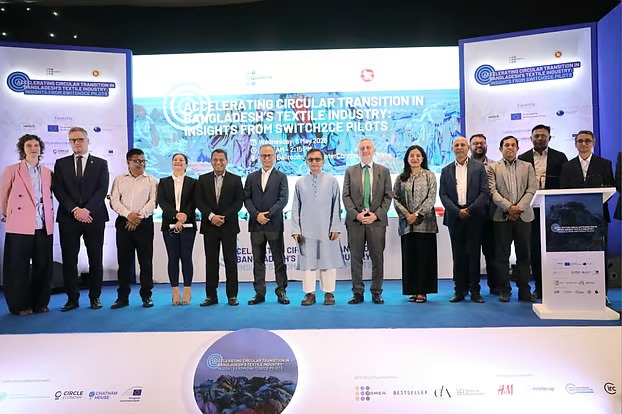
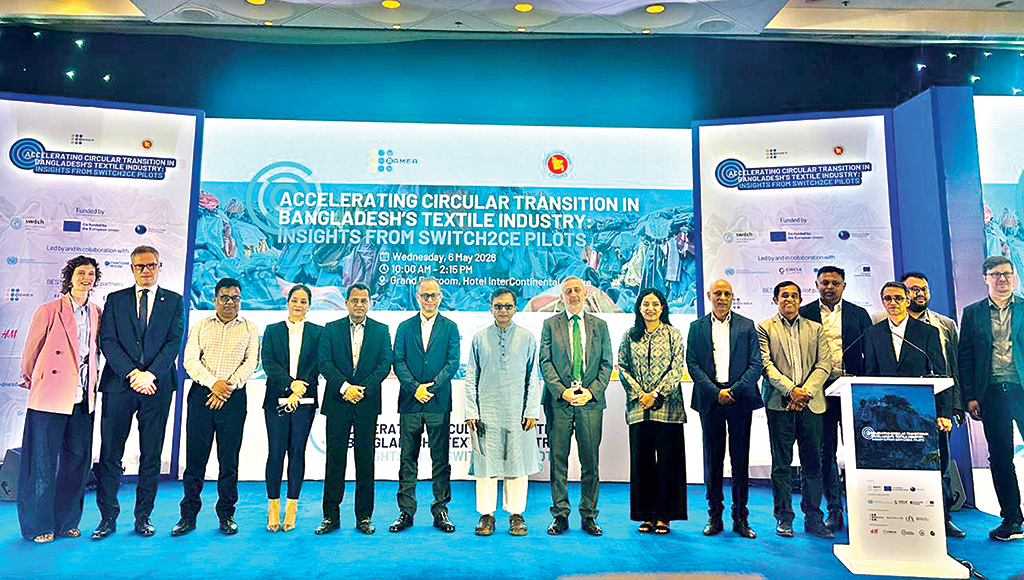
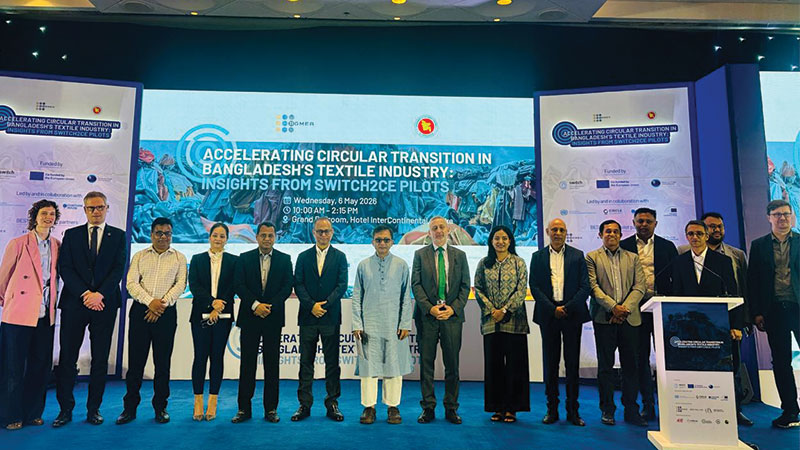
EU ambassador to Bangladesh Michael Miller said that the country was approaching a critical milestone of LDC graduation and needed to establish a more ‘eye-to-eye’ commercial relationship with the EU, its largest economic partner. He was speaking at a seminar titled ‘Accelerating Circular Transition in Bangladesh’s Textile Industry: Insights from SWITCH2CE Pilots’, jointly organised by the Ministry of Commerce and BGMEA. Responding to the EU ambassador’s speech on LDC graduation, commerce minister Khandaker Abdul Muktadir, in his speech as chief guest, said that after graduation, Bangladesh would have to cope with a new scenario. BGMEA president Mahmud Hasan Khan said that the textile industry was considered one of the very polluting and resource-heavy industries. ‘Bangladesh is one of the largest producers of textile scraps in the world, around 6,00,000 tonnes of pre-consumer textile waste are produced annually, of which only 5 per cent is recycled locally,’ he added. He also said that the only way forward was to incorporate circularity into business models by improving skills and efficiency. ‘We have taken it upon ourselves to lead this transition. We believe that the skills and efficiencies of our industry must continue to improve to remain globally competitive and that circularity is not a trade-off against competitiveness but a precondition for it,’ he added.
বণিক বার্তা
বাণিজ্য মন্ত্রণালয় ও বিজিএমইএর যৌথ সেমিনারে বক্তারা : পোশাক খাতের টেকসই প্রবৃদ্ধি ও বৈশ্বিক প্রতিযোগিতায় টিকে থাকার প্রধান শর্ত সার্কুলার অর্থনীতি
রাজধানীর একটি হোটেলে গতকাল ‘বাংলাদেশের বস্ত্রশিল্পে সার্কুলার (বৃত্তাকার) রূপান্তর ত্বরান্বিতকরণ: সুইচ টু সিই পাইলট প্রকল্পগুলো থেকে প্রাপ্ত অভিজ্ঞতা’ শীর্ষক সেমিনারে বক্তারা এ কথা বলেন। তৈরি পোশাক শিল্পে সার্কুলার ইকোনমির প্রসার এবং টেকসই শিল্পায়ন নিশ্চিত করার লক্ষ্যে বাণিজ্য মন্ত্রণালয় এবং বাংলাদেশ গার্মেন্ট ম্যানুফ্যাকচারার্স অ্যান্ড এক্সপোর্টার্স অ্যাসোসিয়েশন (বিজিএমইএ) যৌথভাবে এ সেমিনারের আয়োজন করে। অনুষ্ঠানে বিজিএমইএর সভাপতি মাহমুদ হাসান খান বলেন, ‘সাম্প্রতিক বছরগুলোয় বিশ্ব ফ্যাশন শিল্প এক নতুন বাস্তবতার দিকে মোড় নিতে শুরু করেছে। নতুন প্রজন্ম, তাদের ব্যবহৃত পণ্যের পরিবেশগত প্রভাব নিয়ে অত্যন্ত সচেতন। পোশাককে মানুষের ‘দ্বিতীয় চামড়া’ হিসেবে বিবেচনা করা হয়, তাই এটি হওয়া উচিত গ্লানি ও দূষণমুক্ত।’ আন্তর্জাতিক ব্র্যান্ডগুলো এখন টেকসই পণ্যের ব্যাপারে আগের চেয়ে অনেক বেশি সোচ্চার উল্লেখ করে তিনি বলেন, ‘বিশ্ব ফ্যাশন বাজারে প্রতিযোগিতায় টিকে থাকতে হলে এ বর্জ্যের একটি টেকসই সমাধান বের করা বাংলাদেশের জন্য বাধ্যতামূলক। তাই সামনের দিকে এগিয়ে যাওয়ার একমাত্র পথ হলো আমাদের ব্যবসায়িক মডেলে ‘সার্কুলারিটি’ অন্তর্ভুক্ত করা।’
যুগান্তর
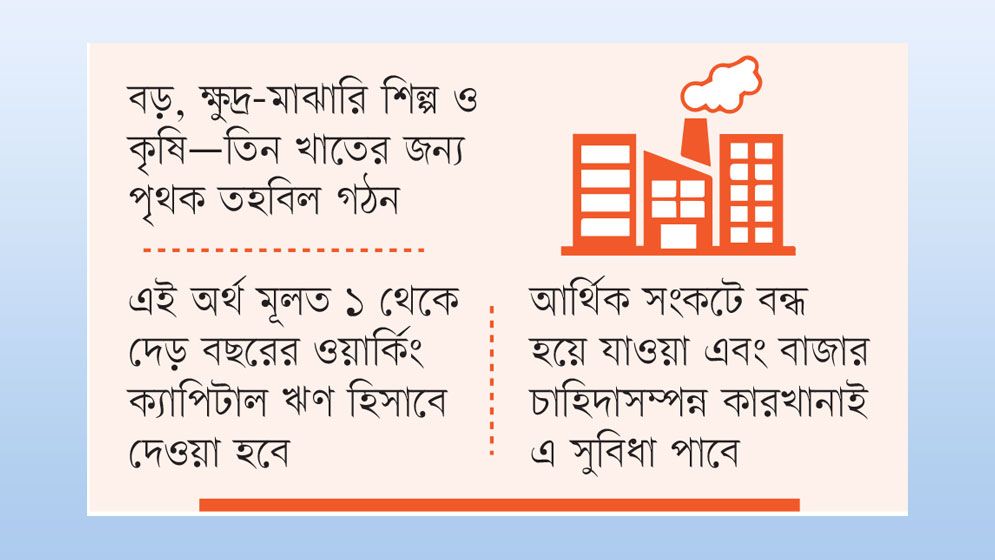
বন্ধ কারখানা চালুর উদ্যোগ : ৪০ হাজার কোটি টাকার পরিকল্পনা
বন্ধ হয়ে যাওয়া শিল্পকারখানা চালু করতে বিশেষ সুবিধা দিতে স্বল্প, মধ্য ও দীর্ঘমেয়াদি পরিকল্পনা নিতে যাচ্ছে বাংলাদেশ ব্যাংক। শুরুতে স্বল্পমেয়াদি ৪০ হাজার কোটি টাকার রিফাইন্যান্স স্কিম করার পরিকল্পনা রয়েছে। চলতি সপ্তাহের মধ্যে বাংলাদেশ ব্যাংক একটি নীতিমালা করে প্রধানমন্ত্রীর কাছে পাঠাবে। পরবর্তী সময়ে প্রধানমন্ত্রীর সম্মতির ভিত্তিতে বিষয়টি সার্কুলার আকারে জারি করা হবে। এ ধরনের বন্ধ কারখানার সংখ্যা ১ হাজার ২০০-এর বেশি হতে পারে।
সমকাল
সার্কুলার অর্থনীতিতে রূপান্তর প্রতিযোগিতা সক্ষমতা বাড়াবে
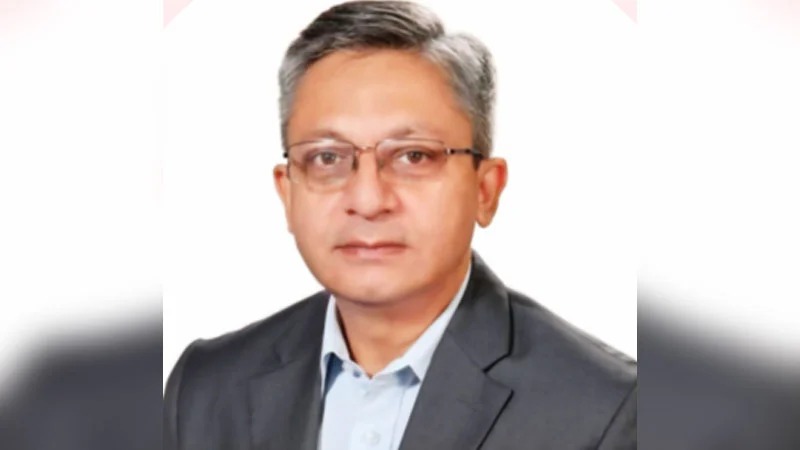
বিশ্ববাজার দ্রুত পরিবর্তিত হচ্ছে। টেকসই উৎপাদন আন্তর্জাতিক বাণিজ্যে প্রতিযোগিতামূলক সক্ষমতা এখন সবচেয়ে বড় বিবেচনা। ভোক্তা, ব্র্যান্ড-ক্রেতারা এখন এমন উৎপাদন ব্যবস্থার প্রতি আগ্রহী, যা দক্ষতা, দায়িত্বশীলতা ও দীর্ঘমেয়াদি স্থিতিশীলতাকে নিশ্চিত করবে। এই প্রক্রিয়ায় সার্কুলার অর্থনীতিতে রূপান্তর এখন আর কেবল পরিবেশগত কোনো আলোচনার বিষয় নয়, বরং এটি বাংলাদেশের শিল্প খাতের প্রতিযোগিতা সক্ষমতা, টেকসই প্রবৃদ্ধি ও বৈশ্বিক বাজারে অবস্থান শক্তিশালী করার গুরুত্বপূর্ণ মাধ্যম। সার্কুলার অর্থনীতির রূপান্তর ত্বরান্বিতকরণ বিষয়ক এক সেমিনারে বক্তারা এসব কথা বলেন। গতকাল বুধবার রাজধানীর হোটেল ইন্টারকন্টিনেন্টালে বাণিজ্য মন্ত্রণালয় ও তৈরি পোশাক উৎপাদন ও রপ্তানিকারক উদ্যোক্তাদের সংগঠন বিজিএমইএ যৌথভাবে এই সেমিনার আয়োজন করে। বাণিজ্যমন্ত্রী খন্দকার আব্দুল মুক্তাদির সেমিনারে প্রধান অতিথি ছিলেন। বিশেষ অতিথি ছিলেন ঢাকায় ইউরোপীয় ইউনিয়নের রাষ্ট্রদূত মাইকেল মিলার ও বিজিএমইএ সভাপতি মাহমুদ হাসান খান। সভাপতিত্ব করেন বাণিজ্য মন্ত্রণালয়ের ভারপ্রাপ্ত সচিব আবদুর রহিম খান।
The Business Standard
Global value chains drive growth, but inclusion gaps persist: ADB report
Greater specialisation across different stages of production has powered economic growth, job creation and poverty reduction in Asia and the Pacific over the past 25 years, according to a new report by the Asian Development Bank (ADB).The findings were presented in the Asian Development Policy Report 2026, titled Global Value Chains and Inclusive Development, launched at ADB's 59th Annual Meeting today (6 May). The report notes that the region now accounts for roughly one-third of global value chain (GVC) trade, with developing economies doubling their share from 9% in 2000 to 18% in 2023.
বণিক বার্তা
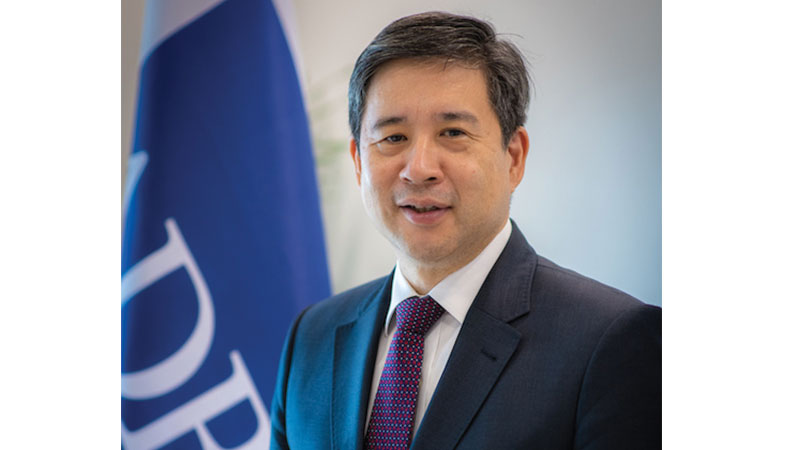
বাংলাদেশের রফতানি প্রসঙ্গে এডিবির চিফ ইকোনমিস্ট : একটি খাতের ওপর অতিরিক্ত নির্ভরশীলতা ঝুঁকিপূর্ণ
রফতানি আয়ে একটি নির্দিষ্ট খাতের ওপর অতিরিক্ত নির্ভরশীলতা বাংলাদেশের অর্থনীতির জন্য খুবই ঝুঁকিপূর্ণ বলে মন্তব্য করেছেন এশিয়ান ডেভেলপমেন্ট ব্যাংকের (এডিবি) প্রধান অর্থনীতিবিদ আলবার্ট এফ পার্ক। তিনি বলেছেন, ‘বাংলাদেশ গার্মেন্টস খাতে ভালো অগ্রগতি করেছে, কিন্তু এটি খুব বেশি শ্রমনির্ভর। উচ্চতর মূল্য সংযোজনের দিকে আরো বেশি নজর দিতে হবে।’
The Daily Sun
Trade deals alone won’t save Bangladesh post-LDC without reforms: SANEM
A new policy study warns that Bangladesh’s trade policy framework is not yet prepared for the challenges of the post-LDC transition, stressing that trade deals alone will not ensure growth without domestic reforms.
The paper, “Strengthening Trade Competitiveness: Bangladesh’s Strategy for Effective FTAs and EPAs”, authored by Prof Selim Raihan of Dhaka University and executive director of SANEM, was published under a joint SANEM–Australian High Commission series. Using the GTAP general equilibrium model, it simulates 10 trade scenarios assessing impacts on welfare, GDP, exports, and industrial structure.