BGMEA DAILY DIGEST
News published in media related to RMG: Today’s RMG News
August 25, 2026
The Financial Express
Bailouts for enterprises closed or limping : Refinancing loans elude over 400 applicants
Talking with The Financial Express, Md. Shehab Udduza Chowdhury, vice-president of BGMEA, said the association had carefully scrutinised the factories before recommending them for refinancing support. "We certified the factories that are partially operational and facing working-capital shortages. The refinancing scheme would help them and ensure that the funds reach the right recipients," he said. He also has noted that fully closed factories face some trust issues with banks as they are currently not in operation.The BGMEA leader expressed optimism that the funds would be disbursed by next week. He said a virtual meeting between the Bangladesh Bank governor and the managing directors of all scheduled banks was scheduled for Monday evening to discuss the disbursement process and ways to ease conditions for reviving industries and creating employment.
The Daily Star
Bangladesh, India discuss lifting yarn import curbs
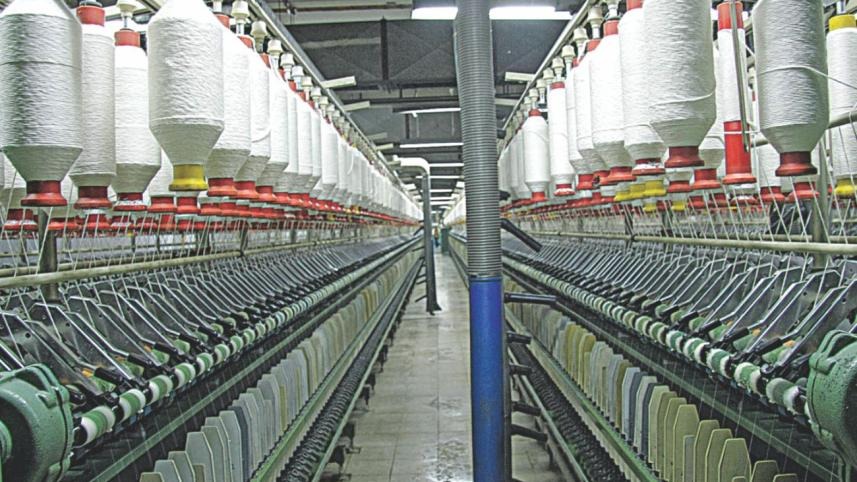
Bangladesh and India discussed lifting Dhaka’s restrictions on Indian yarn imports through land ports, alongside reopening closed border haats and bringing land ports into full operation as the two neighbouring countries seek to strengthen bilateral trade. The issues came up at a meeting between Commerce Minister Khandakar Abdul Muktadir and Indian High Commissioner to Bangladesh Dinesh Trivedi at the Secretariat in Dhaka yesterday, according to a ministry statement.
The New Age
Gazipur garment factories bring Bangladesh global recognition
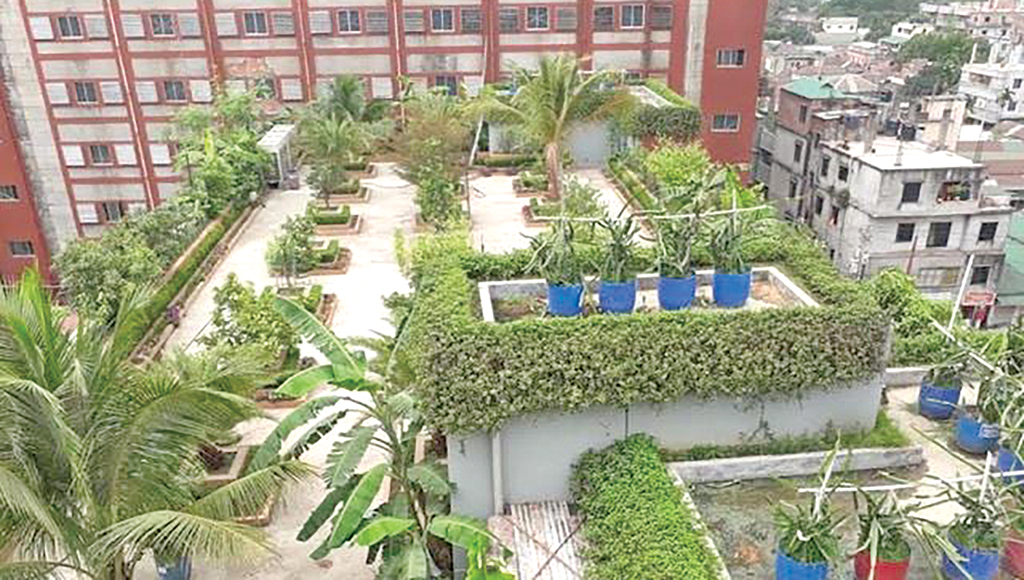
Gazipur has emerged as a major hub of Bangladesh’s ready-made garment industry, where a quiet but far-reaching ‘green revolution’ is transforming factories and strengthening the country’s image among global apparel buyers. At a time when the world is focusing on sustainable production to combat the risks of climate change, garment factories in Gazipur have brought unprecedented success to global branding.Sheikh Hossain Mohammad Mostafiz, director of BGMEA, told BSS that Bangladesh currently has more LEED-certified green garment factories than any other country. ‘Certification of a building alone is not enough,’ he said. ‘A truly green factory must demonstrate continuous efficiency in energy use, carbon-emission reduction, water conservation and waste management.’ He said pressure from buyers in major international markets regarding environmental and energy management is increasing.‘In the coming days, sustainable production will no longer be merely a compliance issue, it will become a key condition for remaining competitive in the global market,’ Mostafiz said. He called for coordinated efforts by the government, BGMEA, financial institutions and international brands to develop Gazipur as a model ‘green garment industrial hub.’
The Business Standard
Beyond RMG: Financing Bangladesh's next export champions
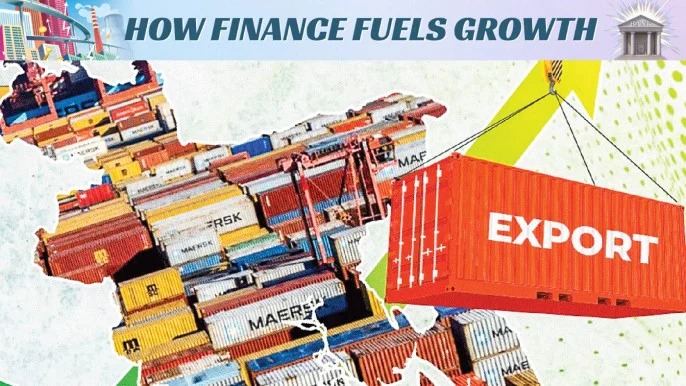
For decades, Bangladesh's export success has been synonymous with ready-made garments. The sector accounts for the lion's share of the country's merchandise exports and has built a globally competitive manufacturing ecosystem. But as Bangladesh prepares to diversify its export basket and graduate from least developed country status, the country faces a critical question: can its financial sector provide the right kind of financing to turn promising non-RMG businesses, especially that have a great export potential? The answer could determine whether Bangladesh's export diversification strategy remains largely a policy ambition—or becomes a broader industrial transformation.

যুগান্তর
ঋণের সুদহার কমাতে বহুমুখী পদক্ষেপ : বাস্তবায়নে ব্যাংকগুলোতে তদারকি জোরদার
কেন্দ্রীয় ব্যাংক ঋণের সুদের হার কমাতে ঋণ ও আমানতের সুদের হারের ব্যবধান ৪ শতাংশে বেঁধে দিয়েছে। এছাড়া আমদানি খাতে বৈদেশিক অর্থায়নের ক্ষেত্রে সুদের হার সর্বোচ্চ ৩ শতাংশ নির্ধারণ করেছে। নীতি সুদের হার দশমিক ৫০ শতাংশ কমিয়ে ১০ শতাংশ থেকে সাড়ে ৯ শতাংশ করেছে। কম সুদের ঋণের জোগান বাড়াতে লক্ষাধিক কোটি টাকার বিশেষ তহবিল গঠন করেছে। ব্যবসা বাণিজ্যে গতি আনতে এবং বেসরকারি খাতে টাকার জোগান বাড়াতেই এসব পদক্ষেপ নেওয়া হয়েছে।
দেশ রুপান্তর
পিছিয়ে পড়ছে তৈরি পোশাক রপ্তানির সূতিকাগার চট্টগ্রাম
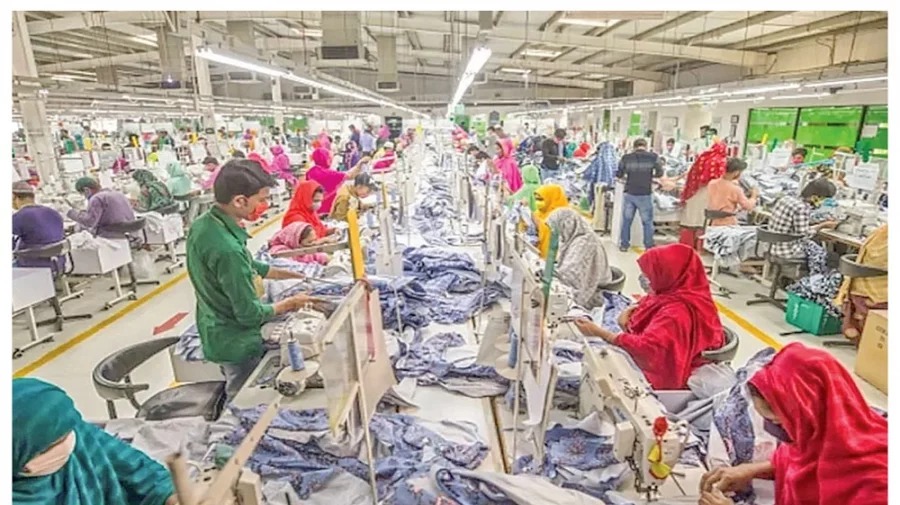
রপ্তানিমুখী তৈরি পোশাকশিল্পের সূতিকাগার হলেও ক্রমশ এই সেক্টরে পিছিয়ে পড়ছে চট্টগ্রাম। একসময় ৭০০-এর বেশি কারখানা নিয়ে এ শিল্পে চট্টগ্রাম উল্লেখযোগ্য অবদান রাখলেও বর্তমানে এখানে ছোট, বড় আর মাঝারি মিলিয়ে কারখানার সংখ্যা নেমে এসেছে ৪০০-এর কোটায়। সংকট সামাল দিতে না পারায় একের পর এক বন্ধ হয়ে যাচ্ছে কারখানা। আর সচল কারখানাগুলোর অধিকাংশই চলছে খুঁড়িয়ে খুঁড়িয়ে। ফলে তৈরি পোশাক রপ্তানি খাতে চট্টগ্রামের অবদান ক্রমশ কমছে। বিজিএমইএ পরিচালক ও এইচকেডি অ্যাপারেলস লিমিটেডের ব্যবস্থাপনা পরিচালক রাকিবুল আলম চৌধুরী বলেন, প্রায় এক মাস ধরে মারাত্মক গ্যাস সংকটে ভুগছে গার্মেন্টস কারখানাগুলো। ফলে একদিকে উৎপাদন হ্রাস পেয়েছে অন্যদিকে ক্রেতাদের ক্রয়াদেশ অনুযায়ী পণ্য শিপমেন্টের ঝুঁকি বেড়েছে।
__1787639354.jpeg)
সমকাল
জ্বালানি ভর্তুকির চাপে বাজেট ব্যবস্থাপনা কঠিন হয়ে উঠছে
কয়েক বছর ধরে জ্বালানি তেলে সরকারকে ভর্তুকি দিতে হয়নি। এ কারণে চলতি অর্থবছরের বাজেটে এ খাতে কোনো বরাদ্দ রাখা হয়নি। তবে কেনার খরচের চেয়ে বিক্রির দাম কম থাকার কারণে দুই মাসের লোকসান পোষাতে সম্প্রতি সরকারের কাছে সাত হাজার ৬১০ কোটি টাকা ভর্তুকি চেয়েছে বাংলাদেশ পেট্রোলিয়াম করপোরেশন (বিপিসি)। তরলীকৃত প্রাকৃতিক গ্যাস বা এলএনজিতে চলতি অর্থবছরের জন্য ভর্তুকি বাবদ বরাদ্দ ছিল ছয় হাজার কোটি টাকা। গত বছরের জুনের বকেয়া পরিশোধসহ চলতি অর্থবছরের মাত্র দেড় মাসেই বরাদ্দ শেষ হয়ে গেছে। বিদ্যুৎ খাতেও ভর্তুকির চাপ বেড়েছে। বিদ্যুতে গত অর্থবছরে মাসে গড়ে তিন থেকে সাড়ে তিন হাজার কোটি টাকা ভর্তুকি লাগত। গত দুই মাসে প্রয়োজন হয়েছে মাসে পাঁচ হাজার কোটি টাকারও বেশি।

কালের কণ্ঠ
বিনিয়োগ ও রপ্তানি সাফল্যে ৮.৪% প্রবৃদ্ধি ভিয়েতনামের | কালের কণ্ঠ
অর্থনৈতিক বৈচিত্র্যায়ণ ও বিদেশি বিনিয়োগ আকর্ষণের ফল পেতে শুরু করেছে দক্ষিণ-পূর্ব এশিয়ার দেশ ভিয়েতনাম। ম্যানুফ্যাকচারিং, প্রযুক্তি, নির্মাণ, সেবা, পর্যটন ও অভ্যন্তরীণ চাহিদা সব ক্ষেত্রেই সাফল্যের পরিচয় দিচ্ছে দেশটি।এতে একদিকে জিডিপি প্রবৃদ্ধি জোরালো হচ্ছে অন্যদিকে মূল্যস্ফীতিও নিয়ন্ত্রণে আসছে। আন্তর্জাতিক বিভিন্ন সংস্থার মূল্যায়নে দেশটির সামষ্টিক অর্থনৈতিক স্থিতিশীলতা ও দীর্ঘমেয়াদি প্রবৃদ্ধির সম্ভাবনা উঠে এসেছে। ভিয়েতনামের গণমাধ্যমের প্রতিবেদন অনুযায়ী, ২০২৬ সালের দ্বিতীয় প্রান্তিকে ভিয়েতনামের মোট দেশজ উৎপাদন (জিডিপি) আগের বছরের একই সময়ের তুলনায় ৮.৪ শতাংশ বেড়েছে। এই প্রবৃদ্ধি বিশ্লেষকদের আগের ৭ শতাংশ পূর্বাভাসকেও ছাড়িয়ে গেছে।